
The Ultimate Guide to Healthy Meal Planning
Introduction
A healthy diet is the cornerstone of fitness and overall wellness. No matter how often you exercise or how active you are, nutrition plays a key role in determining your energy levels, body composition, and long-term health. However, maintaining a balanced diet can feel challenging, especially with busy schedules, work commitments, and the abundance of fast-food options.
This is where meal planning becomes a game-changer. By planning your meals in advance, you can ensure proper nutrient intake, save time, reduce stress, and avoid unhealthy last-minute choices. Meal planning is not about strict dieting or deprivation—it’s about creating a sustainable eating routine that supports your lifestyle and fitness goals.
Whether your goal is weight management, muscle gain, or simply boosting your daily energy, a well-structured meal plan will help you achieve consistent results and foster a healthier relationship with food.
Step 1: Set Your Goals
The first step in creating an effective meal plan is understanding your goals. What do you want to achieve with your nutrition? Goals help you determine calorie requirements, macronutrient distribution, and portion sizes.
Common Goals Include:
- Weight Loss: Focus on a moderate calorie deficit while maintaining nutrient density to promote fat loss without sacrificing energy or muscle mass.
- Muscle Building: Aim for a calorie surplus with increased protein intake to support muscle repair and growth.
- Maintaining Overall Health: Focus on balanced meals rich in vitamins, minerals, and fiber to sustain energy levels and prevent chronic diseases.
By clarifying your goal, you can tailor your meal plan to align with your body’s needs and avoid guesswork or ineffective diets.
Step 2: Understand Macronutrients
A balanced meal plan relies on proper distribution of macronutrients—proteins, carbohydrates, and fats. Each macronutrient has a unique role in supporting your fitness, energy, and overall health.
1. Proteins
Protein is essential for muscle repair, growth, and overall body function. Sources include:
- Lean meats like chicken and turkey
- Fish such as salmon or tuna
- Eggs and dairy products
- Plant-based proteins like beans, lentils, and tofu
Protein should be included in every meal to help maintain satiety, prevent muscle breakdown, and support your metabolism.
2. Carbohydrates
Carbs are the body’s primary source of energy. They fuel workouts, brain function, and daily activity. Healthy carbohydrate sources include:
- Whole grains such as brown rice, oats, and quinoa
- Fruits and vegetables
- Sweet potatoes and legumes
Choosing complex carbohydrates over refined carbs ensures steady energy release, preventing spikes and crashes in blood sugar.
3. Fats
Healthy fats are crucial for hormone regulation, brain function, and long-term energy. Include:
- Nuts and seeds
- Avocados and olives
- Olive oil and fatty fish
A moderate amount of fats in your diet helps keep you full longer and supports overall metabolic function.
By balancing macronutrients in every meal, you provide your body with the nutrients it needs to perform optimally, maintain energy, and stay satisfied between meals.
Step 3: Plan Your Meals
Once you understand your goals and macronutrients, it’s time to structure your meals. A balanced plan should include three main meals and healthy snacks to keep your energy steady throughout the day.
Breakfast
- Include protein + complex carbs
- Examples: Scrambled eggs with spinach and whole-grain toast, oatmeal with nuts and berries, or Greek yogurt with chia seeds
Lunch
- Lean protein + vegetables + healthy fats
- Examples: Grilled chicken salad with avocado, quinoa with roasted vegetables and tofu, or turkey wrap with whole-grain tortilla
Dinner
- Lighter meal with protein + vegetables
- Examples: Baked salmon with steamed broccoli, stir-fried tofu with mixed vegetables, or lean beef with cauliflower rice
Snacks
- Healthy snacks prevent overeating and provide energy between meals
- Examples: Fresh fruits, handful of nuts, yogurt with honey, or vegetable sticks with hummus
Planning your meals in advance makes it easier to stick to healthy choices and avoid reaching for processed or fast foods.
Step 4: Meal Prep & Portion Control
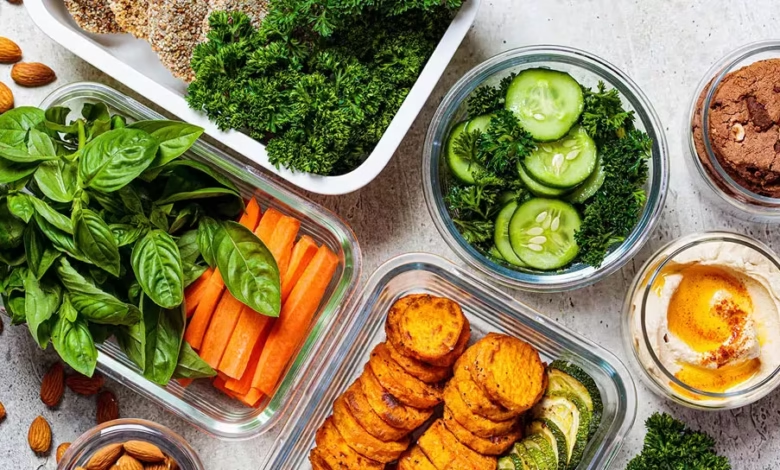
Meal prepping is a time-saving and consistency-building strategy. By preparing meals in advance, you can:
- Ensure portion control
- Avoid impulsive unhealthy eating
- Save time on busy days
Tips for Meal Prep:
- Set aside a few hours once or twice a week to prepare meals.
- Store meals in airtight containers for easy access.
- Pre-cut vegetables and fruits for snacks and salads.
- Cook proteins in bulk to save cooking time.
Portion control is equally important. Even healthy foods can lead to weight gain if consumed in excessive amounts. Use measuring cups, a kitchen scale, or visual cues (like a fist-sized portion for carbs and palm-sized protein portions) to keep your servings consistent.
Step 5: Stay Flexible
A meal plan is a guide, not a strict rulebook. Flexibility is key to long-term success. Occasional treats or dining out can be included without derailing your progress.
Tips for Staying Flexible:
- Swap meals or ingredients based on availability or preference.
- Allow yourself a small treat once or twice a week to satisfy cravings.
- Focus on overall consistency rather than perfection.
Sustainable meal planning is about building habits that last a lifetime, not following a temporary restrictive diet.
Conclusion
Healthy meal planning is not about strict restriction—it’s about creating a sustainable routine that nourishes your body, supports your goals, and keeps you energized. By setting goals, understanding macronutrients, planning balanced meals, preparing in advance, and staying flexible, you can maintain a diet that works for your lifestyle.
Start simple, focus on consistency, and adjust your plan as needed. Over time, meal planning will become second nature, helping you achieve your fitness goals and maintain a healthier, more energized lifestyle.